Guide to different types of champagne glasses
Views : 1121
Update time : 2025-01-15 16:43:00


We all love a glass of bubbly to add a touch of class to any occasion, but did you know that different types of Champagne glasses can make a difference to the fizz, flavour and aroma? The iconic coupe, the elegant flute and the classic tulip are all types of Champagne glassware that each brings their own unique style and a different drinking experience.

The 3 types of Champagne glasses

1.Coupe Champagne glass

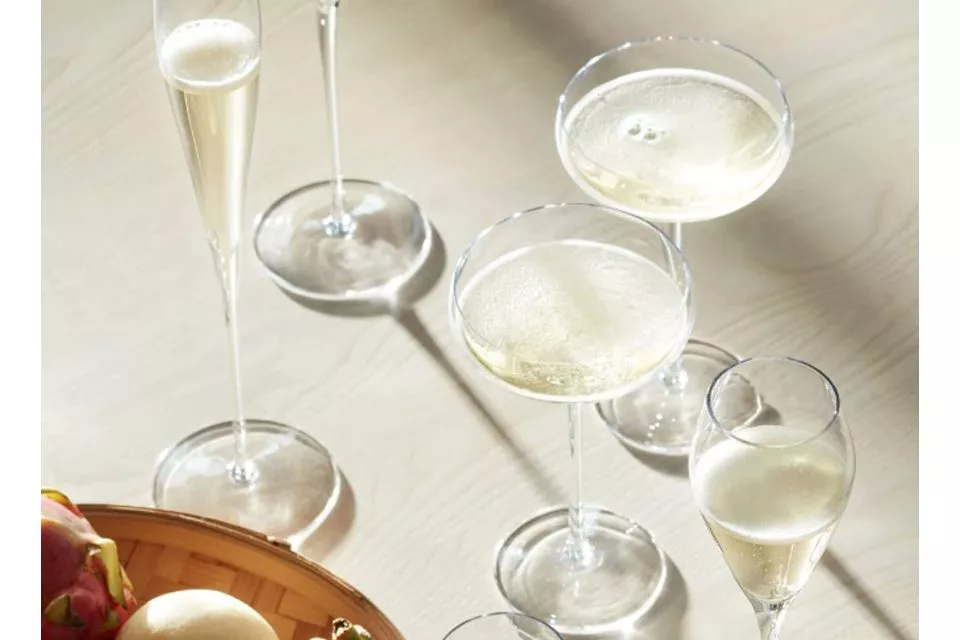
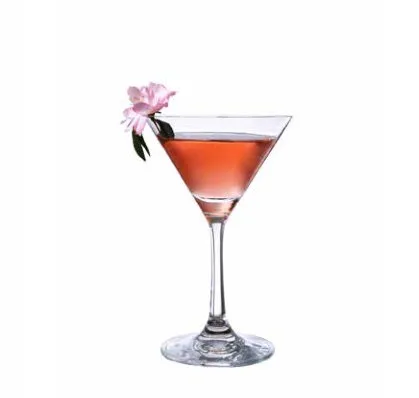
Champagne coupes, also known as Champagne saucers, were the original Champagne glasses specifically designed for serving our favourite effervescent wine. They were popularised in England in the early 1800s and are one of the oldest styles of Champagne glassware.


The coupe is a Champagne glass with a broad, shallow bowl and a short, elegant stem. It’s this iconic round shape that is long rumoured to have been modelled on the breast of young 18th century French Queen, Marie-Antoinette.


Synonymous with style and opulence, the coupe’s shape lets you watch the bubbles joyfully dance around the glass. Although its design does mean that the fizz dissipates more easily, the popular aesthetic adds a touch of theatrics to your drinking experience.


When drinking from a coupe, it’s best to hold your glass either at the rim, or by pinching the top of the stem. This keeps the Champagne optimally cool, enhancing the overall taste and enjoyment of your sparkling wine.
2.Flute Champagne glass


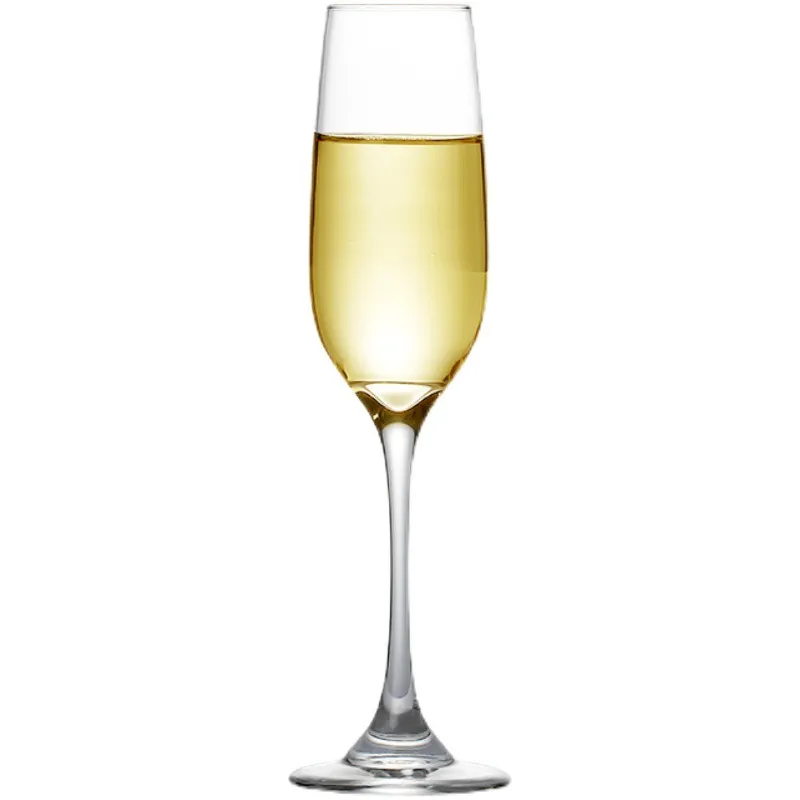
Over the years, as sparkling wine became more popular and accessible outside of the elite upper classes, other styles of Champagne glasses soon evolved. By the 1920s, the traditional coupes had gone out of favour and were replaced by the slimmer Champagne flutes.

The flute’s signature tall and narrow shape is advantageous for better preserving the flavour and carbonation of the wine. The central indent at the bottom of the glass also acts as a congregating point for the bubbles and helps them float smoothly to the top.

Although all share a similar slender design, there are different variations of the flute. From traditional designs to more unusual Champagne flutes, here are some of the most common styles:

  • The classic Champagne flute: The classic flute, have a long, tapered conical shape. This helps to retain the effervescence of the wine and concentrates the bubbles in the centre of the glass.
  • The trumpet Champagne flute: A variation on the classic design, the trumpet glass curves outward making a trumpet shape at the opening. Its design concentrates the bubbles at the rim, preserving the delightfully fizzy texture. 
  • The square Champagne flute: As the name suggests, these contemporary glasses have a squared-off design without the classic tapered opening. This creates a more even distribution of bubbles that fizz more quickly.
  • The stemless Champagne flute: The more casual stemless glasses provide a modern twist on the classic flute. The conical shape retains the carbonation and aroma of the wine, but the removal of the stem means that the wine warms more quickly in your hand.

When drinking from a stemmed Champagne flute, it’s best to hold the glass by pinching the top of the stem between your thumb and forefinger. This stops you from warming the Champagne with your hands and keeps it nice and cold. With a stemless flute, you’ll have to hold the glass by the base, which provides for a more comfortable fit but also heats the wine.
3.Tulip Champagne glass


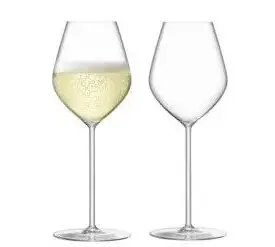
Following the success of the Champagne flute, tulip Champagne glasses became popular around the world in the 1930s. Tulip glasses, taking their name from the flower, have a long, narrow stem, and an elongated oval shape. They are similar in design to Champagne flutes but have a broader, rounder middle and a narrow top.

It’s this signature teardrop shape that traps the aromas inside the bowl and funnels them towards the drinker’s nose. The wider bowl also provides more room for the bubbles to aerate and dance around, but the narrow rim means they don’t easily escape.

Similarly to the flute and coupe, to keep the Champagne at the optimal temperature, it’s best to hold your tulip glass at the top of the stem or by the base to avoid warming the wine with your hands.

Can you drink Champagne in a regular wine glass?

It’s possible to enjoy drinking Champagne from a regular wine glass. A wine glass isn’t too dissimilar from a tulip glass, and the wide round bowl releases lovely Champagne aromas in a similar way. However, Champagne glasses have effervescent points on the bottom of the bowl which help gently release the bubbles to the surface and create the festive feel that comes with drinking fizz. If you opt for a wine glass, it’s best to serve Champagne in small quantities to retain the bubbly texture.

Which Champagne glass to choose?

  • Use a coupe glass to bring a touch of theatrics to the party. It’s perfect for serving sparkling cocktails or building a show-stopping Champagne tower.
  • Use a fluteto bring class and elegance to any event. Whether an intimate dinner or a wedding celebration, the flute’s slender design keeps your wine perfectly bubbly and cool.
  • Use a tulip glass as the perfect balance between the more flamboyant coupe and the elegant flute. It’s perfect for relaxed social occasions and contemporary dinner parties.

Whether you like the aeration and opulence of the original coupe, the traditional elegance and fizziness of the flute, or the best of both worlds with the modern tulip, it’s important to pick the right glass to make the most of your Champagne drinking experience.
HEXIE Glass is your perfect partner to clear out all your champagne glass confusion and raise a toast to a memorable wine-drinking experience!


Related News
Read More >>
The Paradox of Toughness: How Tempered Glass Turns Internal Tension into Everyday Safety The Paradox of Toughness: How Tempered Glass Turns Internal Tension into Everyday Safety
Nov .24.2026
The history of colorant glass is often told through the great stained-glass windows of the Middle Ages, when Gothic architecture created vast openings that demanded glass in every hue the medieval palette could supply. The technique was called “pot metal” glass: metal oxides were added directly to the molten glass in the melting pot, and the resulting sheets were cut and assembled in lead frames. Ruby red was so deeply colored that it was nearly opaque, so glassmakers developed flashing—dipping a bubble of clear glass into molten ruby glass to create a thin red coating, then grinding away portions to let light through in intricate patterns. It was a solution born of necessity, and it produced some of the most luminous effects in the history of the craft.
The Alchemy of Color: How Metal Oxides Turn Sand into Stained Glass, Ruby Red, and Cobalt Blue The Alchemy of Color: How Metal Oxides Turn Sand into Stained Glass, Ruby Red, and Cobalt Blue
Nov .24.2026
For most of human history, the color of glass was a mystery. When the first glassmakers in Mesopotamia fired their furnaces roughly 4,000 years ago, they had little idea what hue would emerge until the melt cooled. Color was an accident—a happy one, sometimes, and a costly one at others. It took centuries of trial, error, and a fair amount of alchemical speculation to understand a deceptively simple truth: the vivid blues, rubies, and ambers of colored glass come from the same stuff that makes rocks and ores—metals.
Libbey: The Glassmaker That Built American Drinking, Then Learned to Disappear Libbey: The Glassmaker That Built American Drinking, Then Learned to Disappear

Nov .24.2026
If you have ever ordered a pint in an American bar, there is a strong chance the glass in your hand was made by Libbey. The company has been manufacturing in the United States for over 200 years, and its commercial lines are the default choice in foodservice for a reason that has nothing to do with glamour: consistent quality, deep inventory, and replacement stock that is always available.
Hot Cut vs. Cold Cut: What a Glass Rim Really Tells You Hot Cut vs. Cold Cut: What a Glass Rim Really Tells You
Nov .24.2026
Most people never think about the rim of a glass—until it touches their lips. That last millimeter of glass is the only part of the vessel that makes direct contact with you, and the way it was finished shapes everything from how a drink flows to how long the glass survives in daily use. In glassware manufacturing, two rim-finishing methods dominate: hot cut and cold cut. They look different, feel different, and serve very different purposes.