Hot Cut vs. Cold Cut: What a Glass Rim Really Tells You
What Is a Hot Cut Rim?
A hot cut rim is created while the glass is still hot and malleable at the end of the forming process. The excess glass is separated, and the edge is simultaneously fire-polished by the residual heat or an applied flame. Because the glass is soft at the moment of cutting, the edge rounds itself out rather than staying flat.
The result is a slightly rounded, bead-like rim. This rounding is not merely cosmetic. The heat treatment induces a compressive stress layer at the edge, which strengthens the rim against impact and chipping. In practical terms, hot-cut glassware tends to be more forgiving when knocked against a sink or stacked with other glasses—a quality that commercial settings value highly.
The trade-off, however, is precision. Hot cutting cannot achieve the same level of refinement as a cold-cut finish. The rounded edge can be slightly uneven, and the bead—if pronounced—may create a small ridge that traps residue over time. For everyday durability, that is often an acceptable compromise.
What Is a Cold Cut Rim?
Cold cutting happens after the glass has fully cooled. The rim is trimmed mechanically—traditionally with a diamond wheel or abrasive cutter—and then polished to remove roughness and achieve a flat, precise edge. Modern laser cold cutting refines this further: the laser thermally shocks the glass to crack it cleanly, followed by grinding and polishing to produce a rim of exceptional uniformity.

The defining characteristic of a cold cut rim is flatness. There is no bead, no rolled lip, just a clean, crystal-clear edge that meets the mouth with minimal tactile interference. For wine professionals and serious spirits drinkers, this is the preferred finish because it lets liquid flow onto the palate without any physical barrier or distraction. Cold-cut rims also provide a stable, consistent surface for engraving and decoration, making them the standard for premium and personalized glassware.
The conventional knock against cold cutting is fragility. Mechanical cutting can leave microscopic flaws at the edge, and the resulting rim is less tolerant of impact than a fire-polished one. In high-end stemware, this fragility is part of the bargain: thinner, more precise rims deliver a finer drinking experience, but they demand more careful handling.
Side-by-Side: The Essential Differences
Feature Hot Cut (Fire-Polished) Cold Cut
Feel Slightly rounded, soft Flat, precise, nearly imperceptible
Visual finish Rounded edge, occasional bead Clean, sharp, crystal-clear line
Durability More impact-resistant; stronger rim More fragile; susceptible to chipping if mishandled
Engraving Less consistent due to curved surface Excellent; flat surface holds detail
Cleaning Bead can trap residue if pronounced Easy to wipe clean
Cost Lower; efficient for mass production Higher; requires secondary cutting and polishing
Best for Daily use, commercial settings, promotional glassware Fine tasting, premium gifts, engraved crystal
Sources: Kusak; Toyo-Sasaki; Hexieglass.
Which One Should You Choose?
The answer depends on what you value most in a glass.
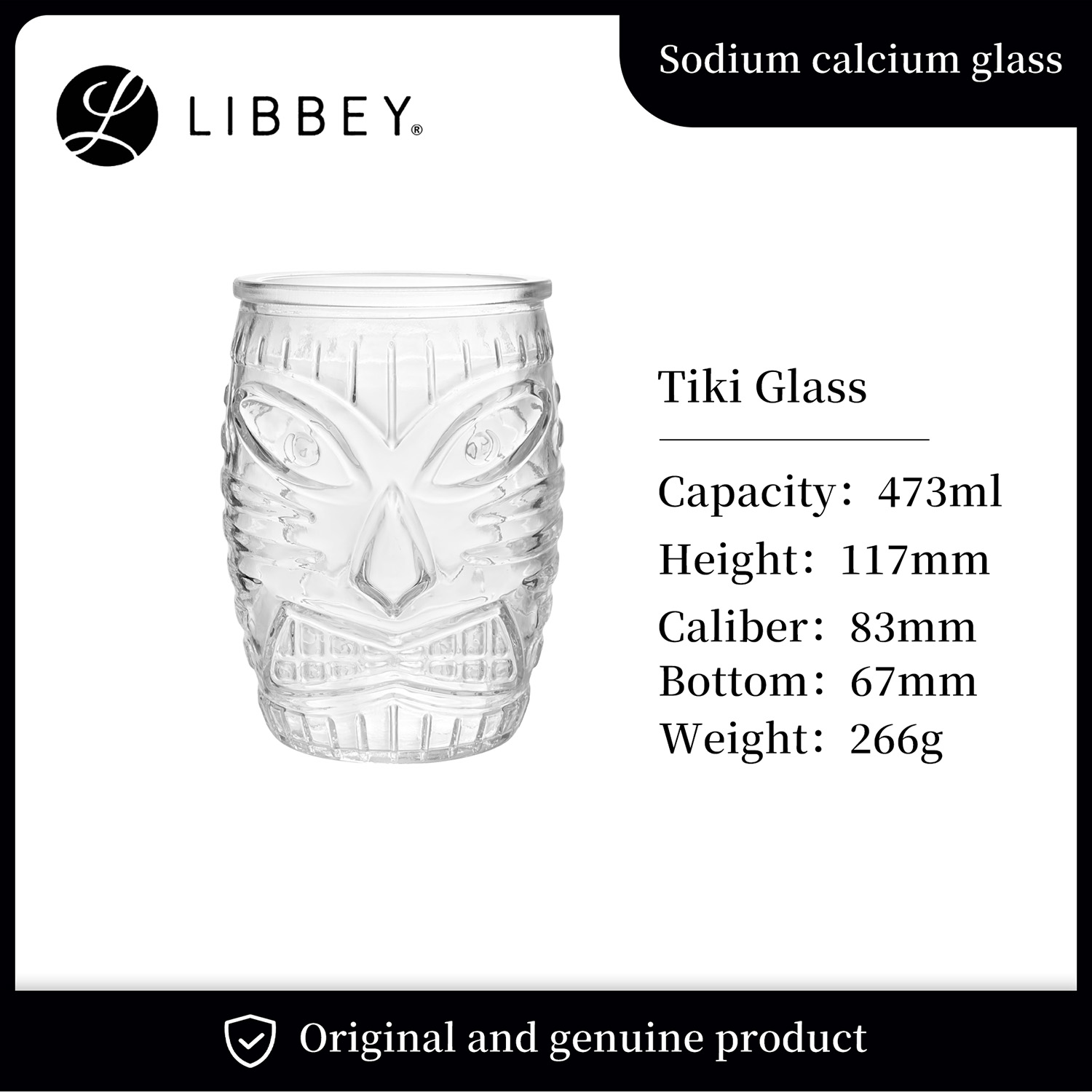
If you are equipping a restaurant, bar, or busy household—or sourcing glassware for promotional or everyday use—a hot cut rim is the practical choice. It resists chipping, feels softer on the lips, and costs less to produce. The rounded edge is not a flaw; it is a deliberate trade of absolute precision for resilience.
If you are selecting glassware for wine tasting, spirits appreciation, or a premium gift—especially one
that will be engraved—a cold cut rim is the superior finish. Its flat, clean edge disappears against the mouth, allowing the drink to speak for itself. The fragility is real, but so is the refinement.
Neither rim is objectively “better.” One is built to endure; the other is built to disappear. The right choice is simply the one that matches the life the glass is meant to live.


 The Paradox of Toughness: How Tempered Glass Turns Internal Tension into Everyday Safety
 Libbey: The Glassmaker That Built American Drinking, Then Learned to Disappear
 ressed Glass Tumblers: How a Simple Water Cup Is Actually Made


