Handmade vs. Machine-Made Glassware: Which One Should You Choose?
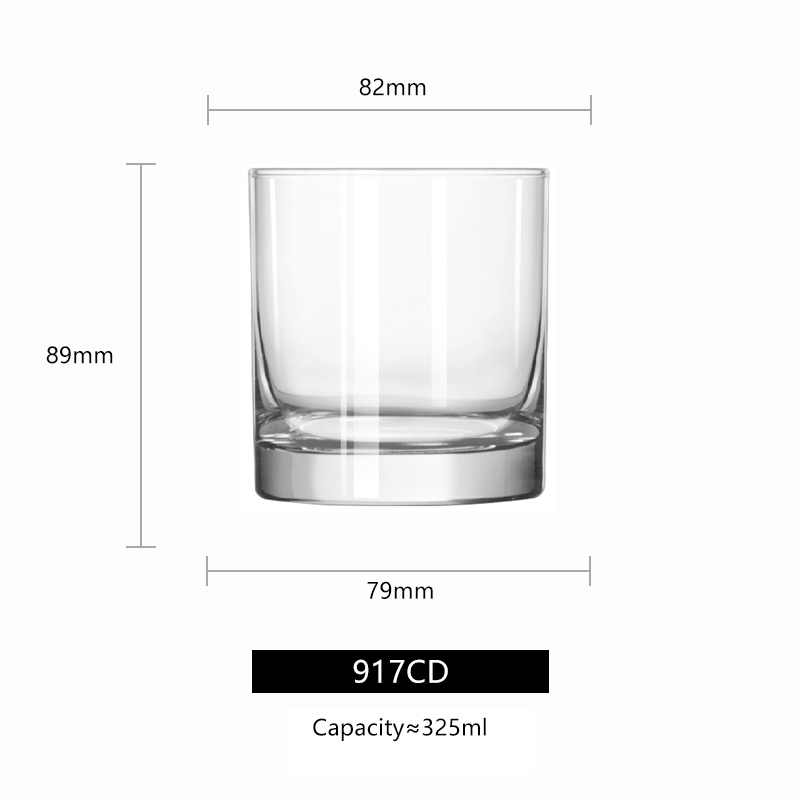
Machine-made glassware is produced in large quantities using automated processes. Molten glass is either poured or pressed into molds, or machine-blown using automated techniques that mimic traditional glassblowing. This results in uniform, identical pieces with high production efficiency.
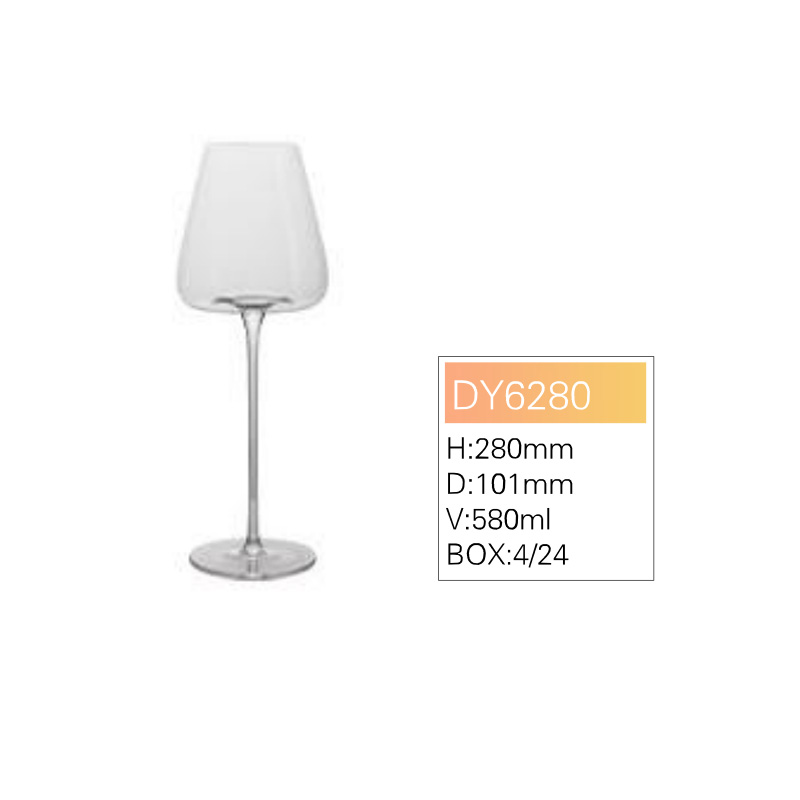
Handmade (or hand-blown) glassware is crafted by skilled artisans using techniques that date back over 2,000 years. Each piece is individually made—the artisan gathers molten glass on a blowpipe and shapes it by mouth and hand. No two pieces are exactly alike.
Key Differences at a Glance
· Appearance: Machine-made pieces are uniform with consistent size and shape. Handmade pieces each have slight variations in size, weight, and shape, making each one truly unique.
· Flaws & Character: Machine-made glass typically has no bubbles or watermarks and may show seams from molding. Handmade glass often contains tiny bubbles and flow lines—these are natural and considered part of its character and "life". Bubbles form when air trapped in the slow-moving molten glass cannot escape.
· Weight & Feel: Machine-made pieces tend to be thicker and heavier. Handmade glass is generally thinner, lighter, and more elegant in the hand.
· Durability: Machine-made glass is typically more durable and break-resistant. Handmade glass is more delicate and requires careful handling, often needing handwashing.
· Price: Machine-made is more affordable and cost-effective. Handmade is significantly more expensive—often 8-10 times higher—due to skilled labor and artistry.
· Production Scale: Machine-made factories can produce tens of thousands of pieces daily. Handmade production is limited to a few hundred pieces per day, with complex designs requiring up to
Quality Note
While historically machine-made glasses were clunky and thick, modern technology has closed the gap. Today, high-end machine-made glassware from premium brands can rival handmade pieces in
thinness, lightness, and elegance.
Which Should You Choose?
· Choose Machine-Made if you need durability, consistency, and affordability—ideal for everyday use, restaurants, hotels, or outdoor settings.
· Choose Handmade if you value artisanship, uniqueness, and a premium drinking experience—perfect for special occasions, wine enthusiasts, or those who appreciate the story and soul behind each piece.
· For most home users, machine-blown glassware offers an excellent middle ground—lighter and more refined than basic molded glass, yet more affordable and durable than fully handmade pieces.
The "better" choice depends entirely on your priorities: practicality and budget, or artistry and exclusivity.


 The Unassuming Brilliance of the Glass Cup
 Tempered Glass
 Beyond the Grape: The Delicate Art of Chinese Stemware Craftsmanship


