I don’t think much about this choice. I just do it. But lately, I’ve been wondering: Why does the coffee taste better this way? Why, at a nice dinner party, does the sparkling water feel fancier in a glass than in a plastic cup?
The answer, I think, lies in honesty.
The History of Clarity
Humans have been drinking from vessels for millennia. We used hollowed stones, then clay, then metal. But glass was different. Glass was a revolution in transparency.
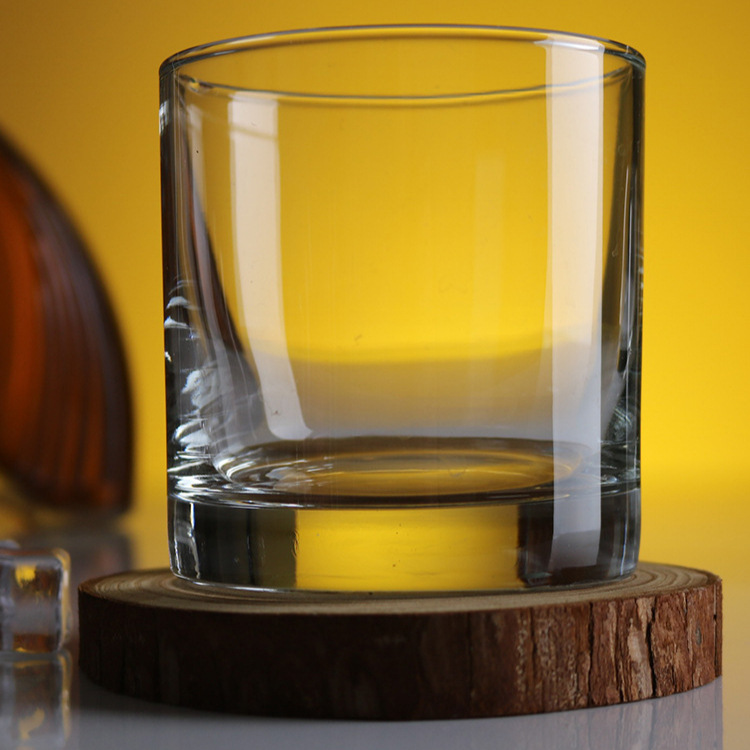
When the first blown glass cups appeared in the Roman Empire, they changed the psychology of drinking. For the first time, people could see what they were about to consume. Was the wine clear? Were there impurities in the water? Glass introduced an era of visual trust. Unlike an opaque ceramic mug that hides the dark swirl of tea, a glass cup has nowhere to hide. It shows you the bubbles, the sediment, the golden hue of the juice. It is a vessel of pure truth.
The Philosophy of Weight
A good glass cup has a specific gravity. Too thick (like a diner pint glass), and it feels clunky, industrial. Too thin (like fine crystal), and you are terrified to hold it, afraid your grip will shatter its elegance.
But the perfect "everyday" glass—the $2 Ikea glass or the repurposed jam jar—sits in that sweet spot. You feel the coolness of the liquid through the walls. Your fingers touch the temperature before your lips do.
There is a Japanese concept called "Mono no aware" (物の哀れ), the
bittersweet awareness of impermanence. Drinking from glass amplifies this. You watch the ice melt. You watch the tea leaves settle. You watch the last sip swirl down the drain. The glass doesn’t hide the passage of time; it showcases it.
The Sound
Let’s not forget the acoustics. A ceramic mug makes a dull thud. A plastic cup makes a hollow tink. But a glass cup? When you set it down on a wooden table, it rings with a high, clear clink. When you toast with a friend, the resonance lasts for two full seconds—a lingering celebration of the moment.
When it Breaks
Of course, there is the inevitable end. Glass breaks. It shatters. It leaves tiny, invisible splinters on the kitchen floor. We curse, we grab the broom, and we throw the remnants into the recycling bin.
But in that breaking, glass is more honest than any other material. A plastic cup cracks and becomes a useless, sharp-edged piece of garbage that lasts for 500 years. A metal cup dents and rusts. But glass returns to sand. It goes back to the earth.
The Verdict
In a world of smart mugs that regulate temperature and stainless steel bottles that promise to keep ice for 48 hours, the simple glass cup seems almost rebellious. It doesn’t promise durability. It doesn’t promise insulation. It promises only one thing: sight.
So tomorrow morning, when you reach for your cup, ignore the travel mug. Skip the Styrofoam. Hold a glass cup up to the light. Watch the sun catch the rim. Notice the condensation beading on the side.


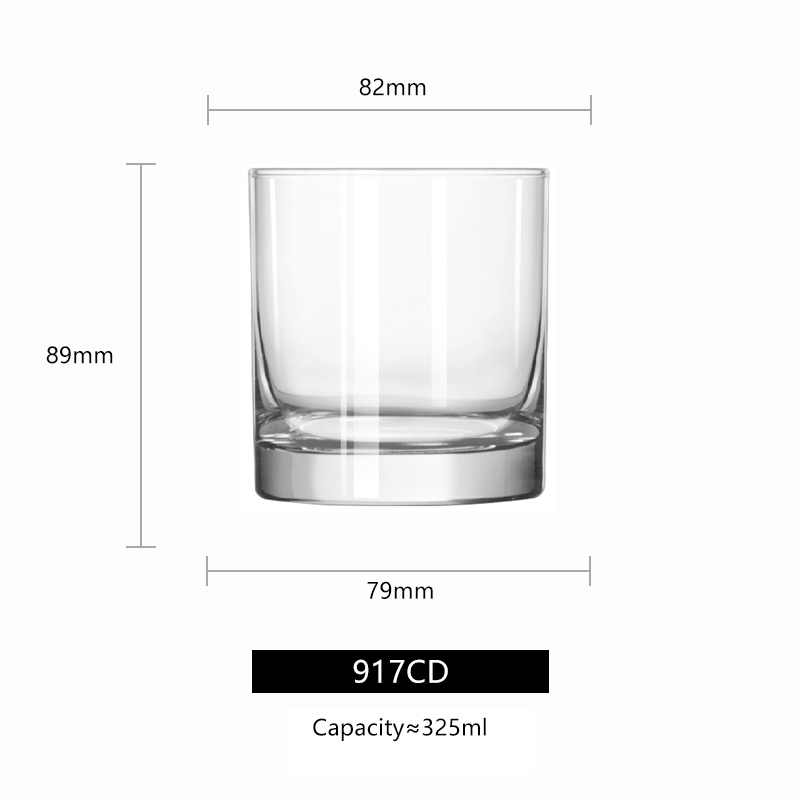 Handmade vs. Machine-Made Glassware: Which One Should You Choose?
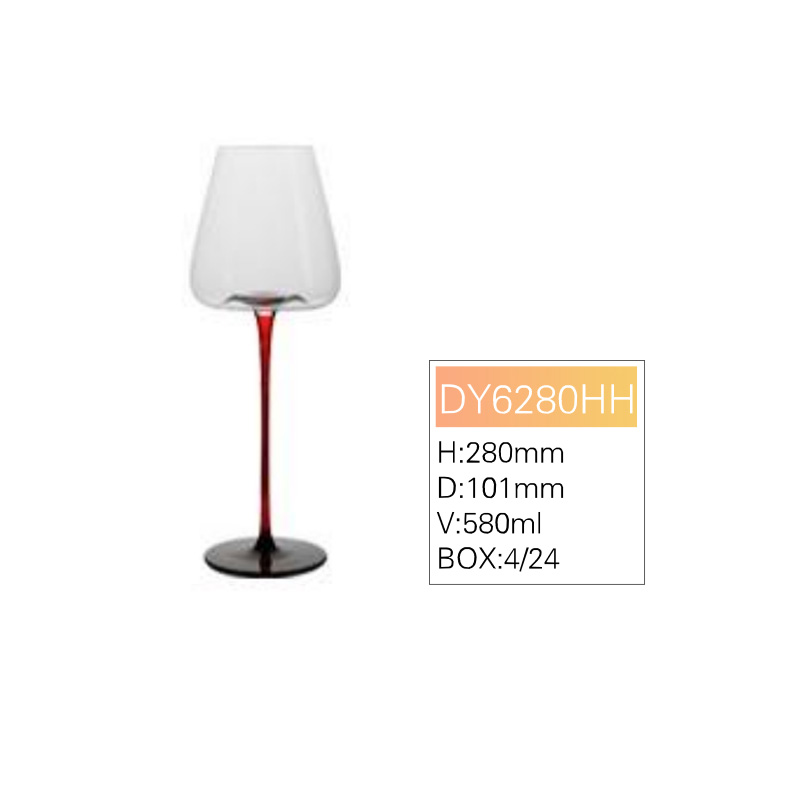 Beyond the Grape: The Delicate Art of Chinese Stemware Craftsmanship


