From tall Bordeaux glasses to wide Burgundy bowls, each design is intended to highlight different characteristics in a wine. Here’s a guide to the most common types of red wine glasses and what they’re best used for.
Why Does Glass Shape Matter?
Before diving into the types, it helps to understand what a glass actually does.
A red wine glass influences three main things:
· Aroma: The bowl traps and concentrates the wine’s scent.
· Taste: The rim and shape direct the wine to different parts of your palate.
· Temperature: The bowl size and stem affect how quickly the wine warms up from your hand.
A good red wine glass should have a wide enough bowl to let the wine breathe, a thin rim for a clean sip, and a stem to keep your fingers away from the bowl. With that in mind, let’s look at the major types.
1. Bordeaux Glass
The Bordeaux glass is one of the most recognizable red wine glasses. It’s tall, with a large, straight-sided bowl that tapers slightly toward the rim.
Best for: Full-bodied, tannic reds such as Cabernet Sauvignon, Merlot, Malbec, and Bordeaux blends.
Why it works: The height and shape send the wine toward the back of the mouth, which can soften the impact of tannins and emphasize the wine’s structure. The large bowl also gives bold wines plenty of room to open up.
If you mostly drink rich, powerful reds, a Bordeaux glass is a great place to start.
2. Burgundy / Pinot Noir Glass
The Burgundy glass is almost the opposite of the Bordeaux. It has a wide, balloon-like bowl and a shorter stem. The rim flares outward rather than tapering in.
Best for: Light-bodied, aromatic reds such as Pinot Noir, Gamay, Nebbiolo, Barolo, and Barbaresco.
Why it works: The wide bowl captures delicate aromas and directs the wine toward the tip of the tongue, helping to highlight fruit and acidity rather than tannin. If you love wines with complex, floral, or earthy aromas, this is the glass for you.
3. Universal Red Wine Glass
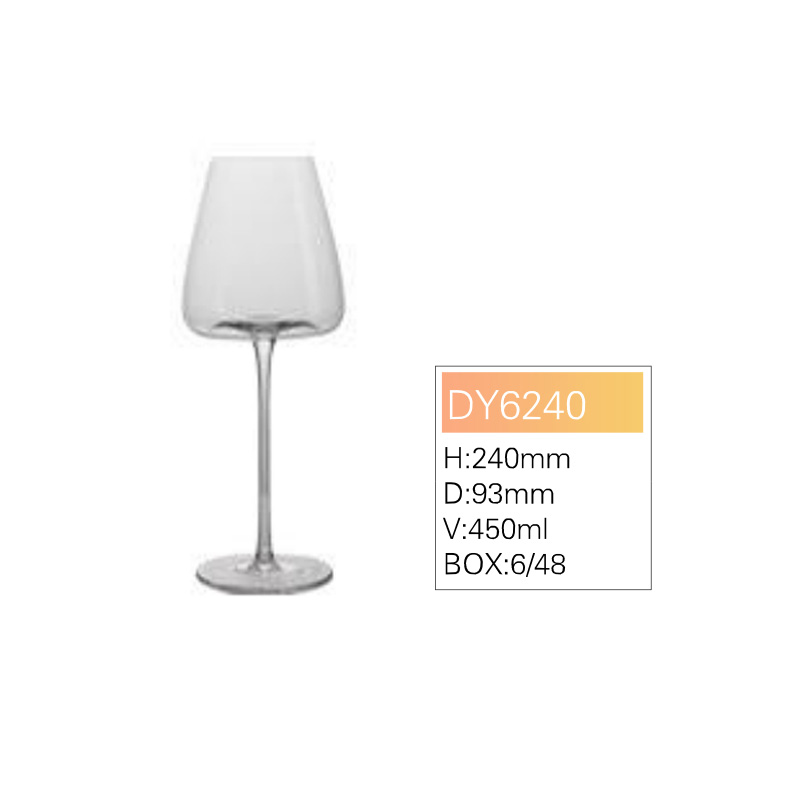
If you only want one set of red wine glasses, a universal glass is your best bet. It usually has a medium-sized bowl with a slightly tapered rim—somewhere between a Bordeaux and a Burgundy.
Best for: Medium-bodied reds such as Sangiovese, Tempranillo, Grenache, Merlot, and most red blends.
Why it works: It’s a jack-of-all-trades. It won’t be perfect for every wine, but it will do a good job with almost anything. For most casual drinkers, a universal red wine glass is the most practical choice.
4. Syrah / Shiraz Glass
Syrah and Shiraz glasses are often taller than Burgundy glasses but with a slightly narrower bowl. Some have a subtly flared rim.
Best for: Syrah, Shiraz, Petite Sirah, Mourvèdre, and other bold, spicy reds.
Why it works: The shape helps tame the high alcohol and intense fruit of these wines while lifting their peppery, smoky, and spicy notes. If you enjoy Australian Shiraz or Northern Rhône Syrah, this glass can make a noticeable difference.
5. Zinfandel Glass
Zinfandel glasses are usually medium-to-large with a slightly tapered rim. They’re designed to balance bold fruit and high alcohol.
Best for: Zinfandel, Primitivo, and other jammy, high-alcohol reds.
Why it works: The bowl is wide enough to release the wine’s rich aromas but narrow enough at the top to keep the alcohol from overwhelming the nose. It’s a thoughtful choice for wines that are big and fruity but can easily feel hot.
6. Port Glass
Port glasses are smaller than standard red wine glasses. They often have a short stem and a tulip-shaped bowl.
Best for: Port, Madeira, and other fortified red wines.
Why it works: Fortified wines are higher in alcohol and usually served in smaller pours. The small bowl concentrates the aromas without giving the alcohol too much space to dominate. It’s a specialized glass, but if you enjoy Port, it’s worth having.
7. Tasting / ISO Glass
The ISO glass is a standardized shape used in professional wine tastings. It usually has a tulip-shaped bowl, a short stem, and a slightly narrower rim.
Best for: Blind tastings, wine education, and evaluating a wide range of wines.
Why it works: It’s designed to be neutral. It doesn’t favor one grape or style over another, making it easier to compare wines fairly. It’s not the most romantic glass for a dinner party, but it’s incredibly useful for serious tasting.
8. Stemless Red Wine Glass
Stemless glasses have become very popular in recent years. They’re essentially a bowl without a stem.
Best for: Casual drinking, parties, and young, fruity reds.
Why it works: They’re stable, easy to store, and less likely to break. However, your hand directly warms
the bowl, and fingerprints can become a problem. They’re convenient, but they’re not ideal for delicate or aged wines.
Crystal vs. Glass: Does It Matter?
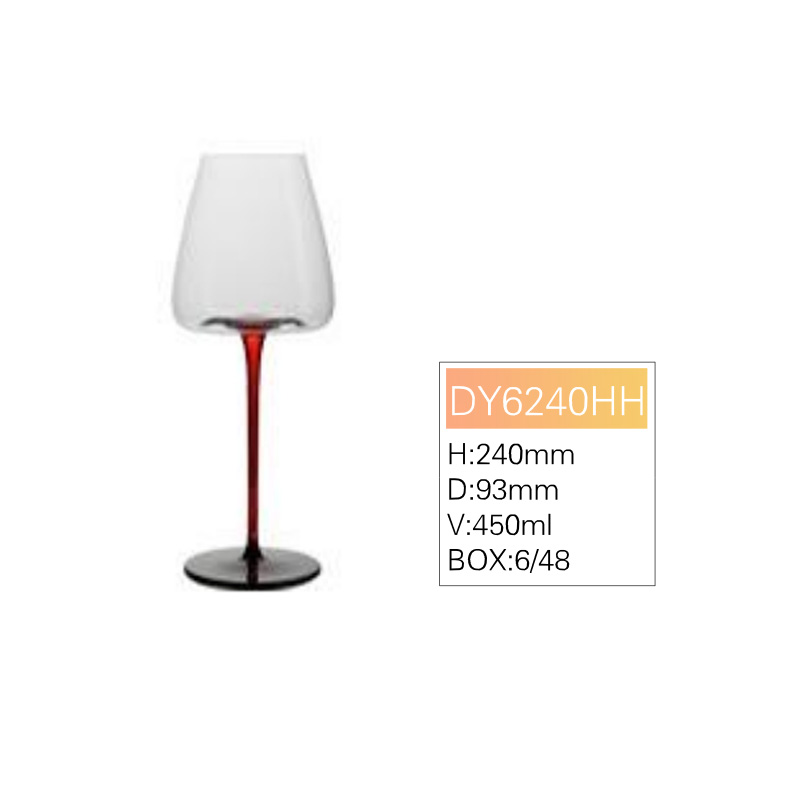
You’ll also see red wine glasses made from either regular glass or crystal. Crystal—especially lead-free crystal—is often thinner, lighter, and slightly more porous, which some believe helps release aromas. It also feels more elegant to drink from.
Regular glass is more durable, affordable, and dishwasher-friendly. For everyday drinking, good glass is perfectly fine. For special bottles, crystal can elevate the experience.
Quick Cheat Sheet
Glass Type Shape Best For
Bordeaux Tall, large, tapered rim Cabernet, Merlot, Malbec
Burgundy / Pinot Noir Wide, balloon bowl Pinot Noir, Gamay, Nebbiolo
Universal Medium bowl Most medium-bodied reds
Syrah / Shiraz Tall, slightly flared Syrah, Shiraz, Mourvèdre
Zinfandel Medium-large, tapered Zinfandel, Primitivo
Port Small, tulip-shaped Port, fortified reds
ISO / Tasting Standard tulip Professional tastings
Stemless No stem Casual drinking
Final Sip: How to Choose
You don’t need a cabinet full of different red wine glasses. Most wine lovers can get by with two or three:
1. A universal red wine glass for everyday drinking.
2. A Bordeaux glass for full-bodied reds.
3. A Burgundy glass for aromatic, lighter reds.
If you want to go further, add a Syrah glass, a Zinfandel glass, or a set of Port glasses. But remember: the best glass is the one you enjoy using. A beautiful bottle of wine shared with good company will taste great even if the glass isn’t “perfect.”
So pour a glass, give it a swirl, and take a sip. The right glass can make a good wine better—but the experience is ultimately about what’s inside.


 The Paradox of Toughness: How Tempered Glass Turns Internal Tension into Everyday Safety
 The Alchemy of Color: How Metal Oxides Turn Sand into Stained Glass, Ruby Red, and Cobalt Blue
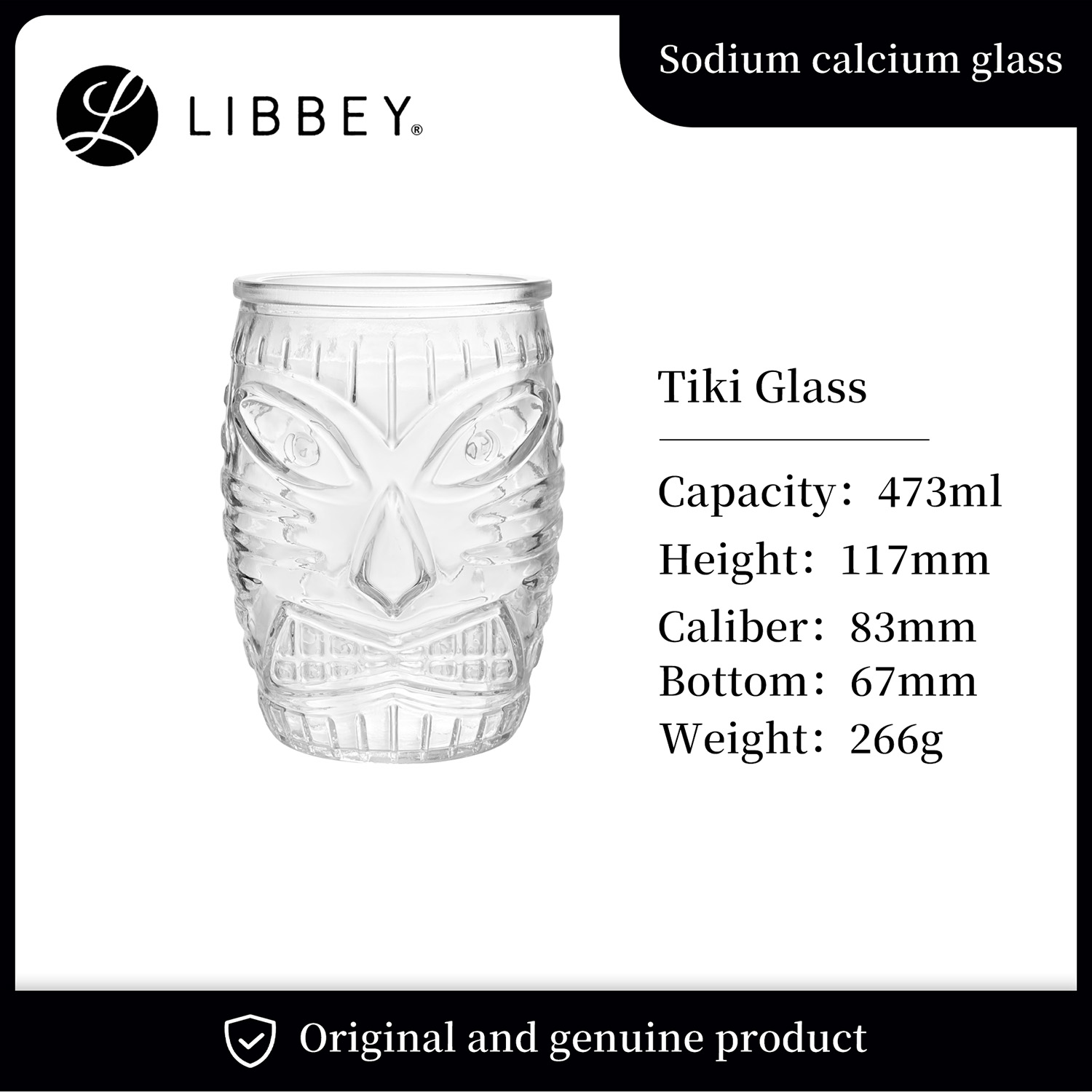
 Libbey: The Glassmaker That Built American Drinking, Then Learned to Disappear
 Hot Cut vs. Cold Cut: What a Glass Rim Really Tells You


