


Few people enjoy washing the dishes, but when it comes to washing wine glasses, especially flutes, things can get on your nerves. However, washing your wine glasses appropriately will increase their lifespan and preserve their quality. Here are a couple of basic tips on how to wash your wine glasses.
These glasses are not as “demanding” as crystal wine glasses, although they do need a thorough cleaning. If the glass was just emptied and the tiny drops of wine didn’t have time to dry on the surface of the glass, water is the only thing you need to clean it. The higher the temperature of the water the cleaner your glass will get. After that, it’s important to place your wine glass upside down on a clean, dry cloth. This will prevent the annoying white stains to form on the surface.
If water is not enough, a touch of soap will do. The soap should not be very strong, or in a large quantity. Also, make sure you rinse thoroughly to remove all the soap, since it can really affect the taste of your next drink from that glass.
You can safely use the dishwasher for washing your wine glasses provided that they are not made of crystal, and they don’t have long stems. The most important tip is to not let the machine dry your glasses. Take them out and dry them by hand.
If you order HX wine glasses from us, please be sure to ask if they are alright to put in washing machines. While our imprints are high quality, there are washing machines with jets that are so powerful that they will start to chip away at your imprint.
Wine glasses made of crystal are without a doubt the most elegant and high-quality glassware. When washing them, you always need to be extra careful. Safer approaches to getting them crystal clean over and over again should always be considered.
The most important thing to remember about crystal is that it’s more porous than regular glass, which means it can easily absorb soap flavors. Even if the washing process did the job well, you might end up with a glass that can subtly change the taste of your wine. Instead, use washing soda, or even baking soda, to get the same cleaning effect. This won’t be absorbed by the crystal glass, and you can easily find it at the grocery store.
Never use the dishwasher to clean your crystal wine glasses. Even if various washing machine commercials say that it’s safe to clean them in such manner, we highly advise you to not do it. It’s true, in most occasions washing machines clean the crystal wine glasses well without damaging them, but one day you will most likely find your precious glasses broken in pieces. Another way that your machine can ruin your glasses is by using too much detergent, allowing its flavor to get absorbed by the glasses. This can actually be seen on your glasses, if they get cloudy it means too much soap got in.
Many experts suggest placing your crystal wine glasses over boiling water to clean them. This will also increase their sparkle. Just hold them over a pot of boiling water and allow the steam to cover them. Once they have enough steam, dry them using a linen towel.
Taking proper care of glassware is very important, especially if you want to use them for while. Don’t be afraid to apply the right techniques to clean your glasses, you will be proud of your job, and your wine will taste better too!
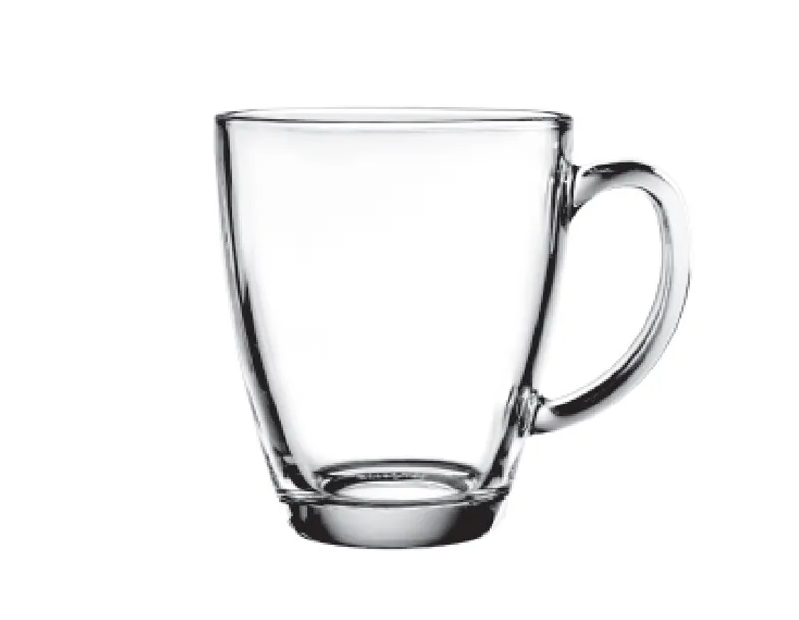 The Paradox of Toughness: How Tempered Glass Turns Internal Tension into Everyday Safety
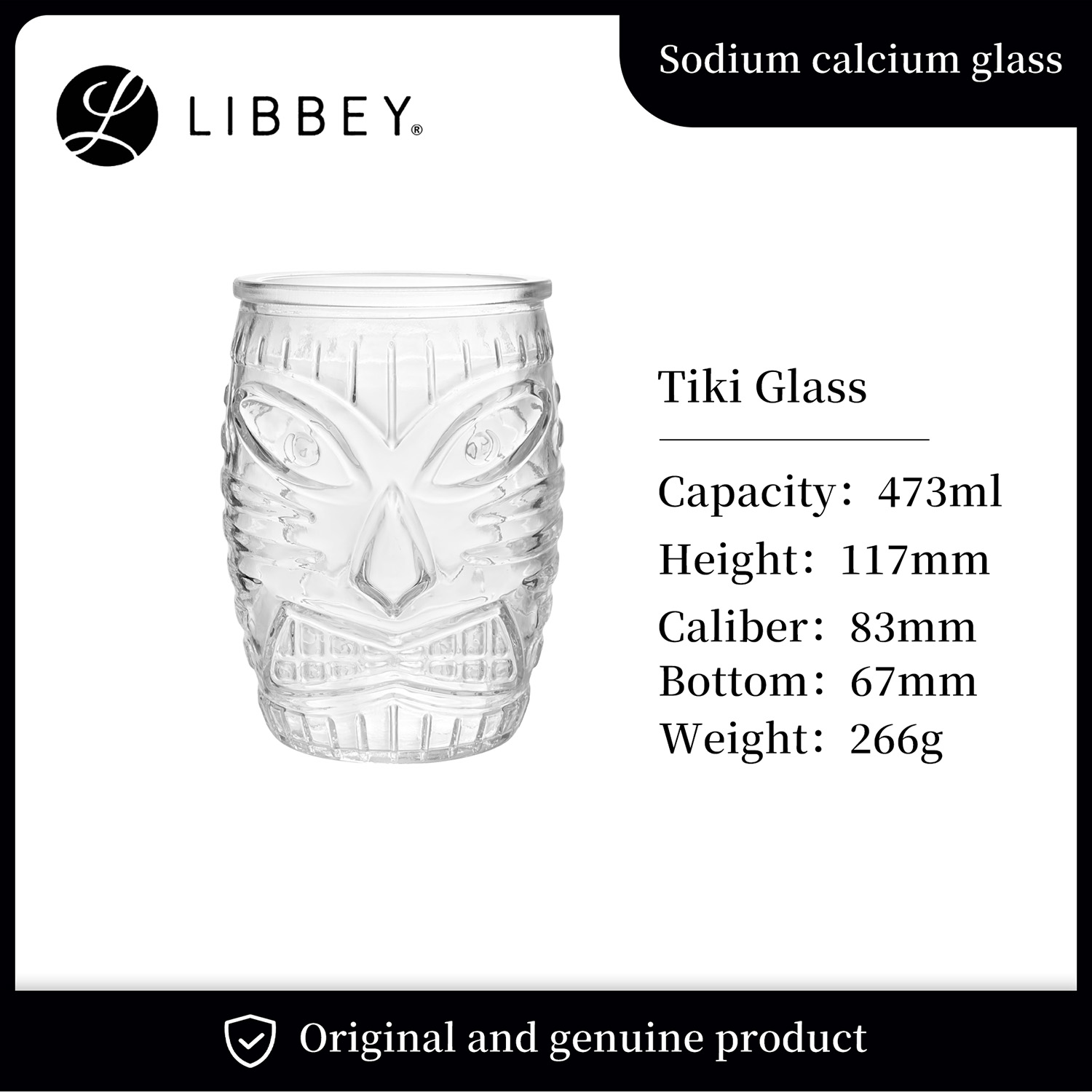 The Alchemy of Color: How Metal Oxides Turn Sand into Stained Glass, Ruby Red, and Cobalt Blue
 Libbey: The Glassmaker That Built American Drinking, Then Learned to Disappear
 Hot Cut vs. Cold Cut: What a Glass Rim Really Tells You


Guangzhou HeXie Glass Co., Ltd.
Address: No.1, 8th Street, Nanfang Hardware & Hotel Supplies City, Shaxi, Panyu District, Guangzhou City, Guangdong Province, P.R.China
Tel: +86-18011970645
Email: info@hexieglass.com
https://www.hexieglass.com


