


Daily used glassware, much like glass plates, glass bowls, glass cups, glass jugs, glass storage jars, is indispensable to any kitchen. From time to time, the kitchen glassware becomes dirty.
Most plates and bowls can be cleaned with just a simple run through the dishwasher, but the cups and storage jars, with a deep hole, will not as easy cleaning as the bowl and plates. Thankfully, there are several simple tips to help glassware keep its sparkling shine, including proper care, cleaning methods, and shelf storage. The most delicate glassware, such as wine glasses, whisky glass bottles, should be treated with an appropriate level of delicacy. This means hand washing the glassware (wine glass) under tap water in the sink, and gently wiping them dry. Glassware needs a minimal amount of detergent, but natural agents, such as vinegar, baking soda, and lemons, can be effective when a deep cleaning is needed, as can toothpaste. After a washing, glassware should be dried and stored safely to keep it clean and free from damage.
Tip 1: Separate Durable from Delicate
Fine stemware and some heavy bottles, such as storage jar, whisky bottles, should never go in the dishwasher. Glass tumblers, glass mugs, small glass bowls and small plates, and inexpensive wine glasses can be washed in the dishwasher since they can usually take the shake that occurs in automatic cycle, but even these durable glasses can develop a buildup of a white film in time. Washing glassware in a dishwasher also increases the chance of a glass breaking, cracking, or chipping as a result of being jostled about during the wash cycle. Hand washing is safer, especially for the most expensive pieces. There are some tips available for both washing methods.
Dishwasher Cleaning Tips
People who do run their glassware through a dishwasher can help protect the pieces by using a delicate wash cycle. Additionally, be careful in how the glasses are arranged in the machine. They should not be close enough that they can clink against each other if they slide about a bit.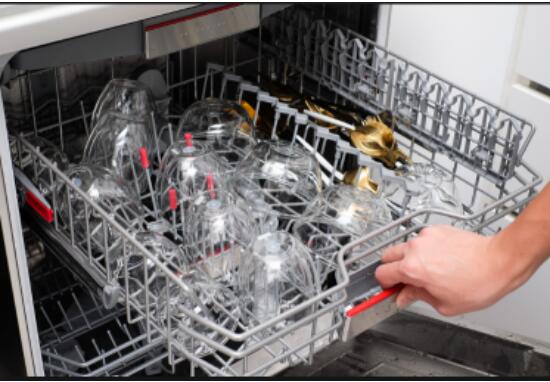
Handwashing Tips
When hand-washing glassware,we have to care to ensure they do not slip out of the hand. Hold wine glasses by the bowl rather than the stem. Use a sponge with a handle or a soft foam brush to wash inside the glass and never reach a hand inside the glass as this can cause pressure that can break the glass. Wipe the clean glass dry with a soft lint-free cloth. 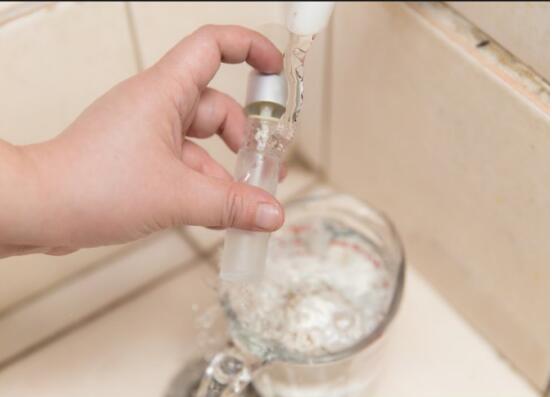
Tip 2: Rinse the Glasses Soon After Use
Even people who plan to put their glasses in the dishwasher later should rinse them in hot water as soon as possible. This prevents liquids from becoming sticky and prevents stains. Red wine, tea, and coffee can stain glass in time. Rinsing the glass removes the bulk of the material and can minimize staining. However, a good deep cleaning can help remove the stains, if necessary. After basic cleaning the glassware, we should air dry the glasses. Place clean glasses on a dish mat or clean towel to dry. Position glasses downwards, with the rim on the bottom. Avoid drying your glasses with a cloth, as this can leave residue. 
Tip 3: Try Steam Cleaning
Steam cleaning is particularly effective for stemware because the glass can be held by the stem, thus keeping the hand away from the steam. Hold the glass over a pot of boiling water so that the steam rises up into the glass. Afterward, wipe the glass dry.

Tip 4: Make a vinegar solution
If your glasses are cloudy or have white streaks, clean them with vinegar. Fill a medium-sized bowl with white vinegar and warm water. Use two tablespoons of vinegar for every cup of water Wipe down the glasses. Dip a clean cloth into the vinegar solution. Gently wipe down the glasses with the cloth, both inside and out. Re-moisten the cloth as needed to ensure that your glasses get clean. And then rinse the glasses on the clean.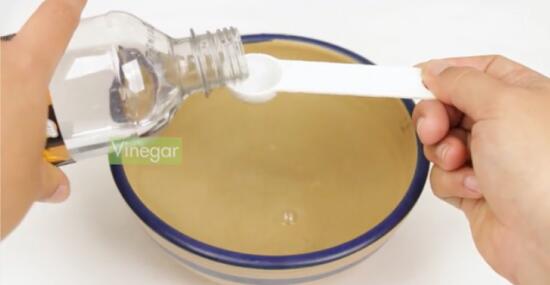
Tip 5: Store Glasses Properly
Keep glasses safe when not in use. Ideally, most glassware should be stored in a closed cupboard in an easily accessible part of the kitchen, and on a lower shelf to prevent straining to reach a glass. When we need to use them, then we pick them out. Whether the glass is stored upright or down depends on several factors.
Buying glassware is essential for any home. Keeping the glassware sparkling clean is also important. Never put expensive or delicate pieces in the dishwasher. Instead, wash them by hand. Use hot water to wash, and avoid overusing detergent.
 The Paradox of Toughness: How Tempered Glass Turns Internal Tension into Everyday Safety
 The Alchemy of Color: How Metal Oxides Turn Sand into Stained Glass, Ruby Red, and Cobalt Blue
 Libbey: The Glassmaker That Built American Drinking, Then Learned to Disappear
 Hot Cut vs. Cold Cut: What a Glass Rim Really Tells You


Guangzhou HeXie Glass Co., Ltd.
Address: No.1, 8th Street, Nanfang Hardware & Hotel Supplies City, Shaxi, Panyu District, Guangzhou City, Guangdong Province, P.R.China
Tel: +86-18011970645
Email: info@hexieglass.com
https://www.hexieglass.com


