Why do people prefer crystal glass rather than normal soda lime glass?
Views : 960
Update time : 2025-04-01 10:46:52

Crystal glass is a variety of glass in which lead replaces the calcium content of a typical potash glass.They are used in a wide range of daily life, such as home, bar, party or other special occasions.


When choosing wine glasses, people probably like crystal instead of soda lime glass. Why? Below let me explain the difference between glass and crystal.
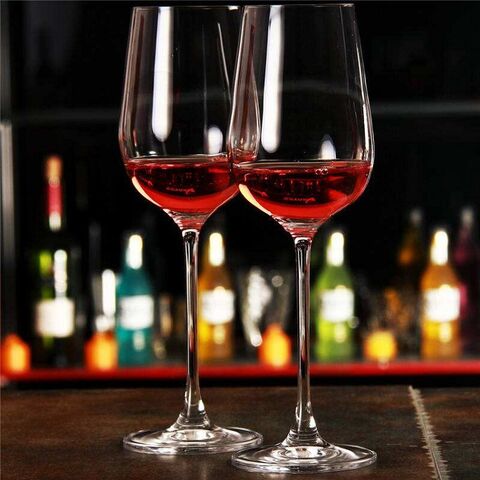
Crystal Glass

  • Glossy
  • It has better refraction than normal glass. When you hold up a crystal cup and rotate it against the light, you will find it is sparkly like a beautiful art work. It is clear and glossy, reflecting the fascinating rainbow multicolour . Because crystal can absorb gloss, even ultraviolet light, and ordinary glass has no gloss, and no refraction and impact performance.

    Why do people prefer crystal glass rather than normal soda lime glass?cid=3

  • Thinner

A crystal glass are thinner than normal glass, which is more elegant and make you a better drink tasting experience.

Why do people prefer crystal glass rather than normal soda lime glass?cid=3

  • Sound

Comparing the metal sound of normal glasses, the sound of crystal glasses is more pleasant, spreading through the air with excellent rippling after-sound, which considered as "music".

Normal Glass

Normally, the glass is made of lime, soda, and silica.Due to its  components are very common in nature, it is cheaper than crystal. Most people can afford them.

Why do people prefer crystal glass rather than normal soda lime glass?cid=3

Do you know more something about crystal and glass?

If you need it, you can contact us. HX glassware have over 20 years experience in glassware. Our product lines including: Glass tumblers, Engraved Glass Cups, Mugs,Shot Glass, Pitchers, decanters, glassware Set, 5pcs Bowl set, borosilicate Glassware and so on.
Related News
Read More >>
The Paradox of Toughness: How Tempered Glass Turns Internal Tension into Everyday Safety The Paradox of Toughness: How Tempered Glass Turns Internal Tension into Everyday Safety
Nov .24.2026
The history of colorant glass is often told through the great stained-glass windows of the Middle Ages, when Gothic architecture created vast openings that demanded glass in every hue the medieval palette could supply. The technique was called “pot metal” glass: metal oxides were added directly to the molten glass in the melting pot, and the resulting sheets were cut and assembled in lead frames. Ruby red was so deeply colored that it was nearly opaque, so glassmakers developed flashing—dipping a bubble of clear glass into molten ruby glass to create a thin red coating, then grinding away portions to let light through in intricate patterns. It was a solution born of necessity, and it produced some of the most luminous effects in the history of the craft.
The Alchemy of Color: How Metal Oxides Turn Sand into Stained Glass, Ruby Red, and Cobalt Blue The Alchemy of Color: How Metal Oxides Turn Sand into Stained Glass, Ruby Red, and Cobalt Blue
Nov .24.2026
For most of human history, the color of glass was a mystery. When the first glassmakers in Mesopotamia fired their furnaces roughly 4,000 years ago, they had little idea what hue would emerge until the melt cooled. Color was an accident—a happy one, sometimes, and a costly one at others. It took centuries of trial, error, and a fair amount of alchemical speculation to understand a deceptively simple truth: the vivid blues, rubies, and ambers of colored glass come from the same stuff that makes rocks and ores—metals.
Libbey: The Glassmaker That Built American Drinking, Then Learned to Disappear Libbey: The Glassmaker That Built American Drinking, Then Learned to Disappear

Nov .24.2026
If you have ever ordered a pint in an American bar, there is a strong chance the glass in your hand was made by Libbey. The company has been manufacturing in the United States for over 200 years, and its commercial lines are the default choice in foodservice for a reason that has nothing to do with glamour: consistent quality, deep inventory, and replacement stock that is always available.
Hot Cut vs. Cold Cut: What a Glass Rim Really Tells You Hot Cut vs. Cold Cut: What a Glass Rim Really Tells You
Nov .24.2026
Most people never think about the rim of a glass—until it touches their lips. That last millimeter of glass is the only part of the vessel that makes direct contact with you, and the way it was finished shapes everything from how a drink flows to how long the glass survives in daily use. In glassware manufacturing, two rim-finishing methods dominate: hot cut and cold cut. They look different, feel different, and serve very different purposes.